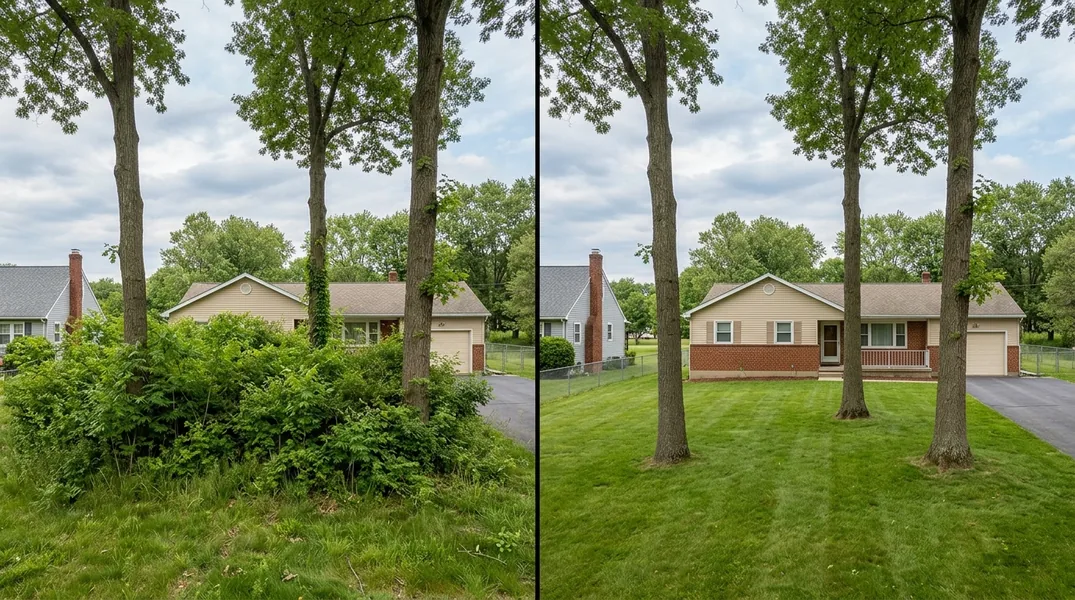
Understanding the Spotted Lanternfly and Tree-of-Heaven Problem
If you live in Allentown or the surrounding Lehigh Valley, you've likely heard about the spotted lanternfly crisis affecting our region. These invasive insects have become a major concern for homeowners and property managers since their arrival in Pennsylvania. What many people don't realize is that the spotted lanternfly problem is directly linked to another invasive species: the Tree-of-Heaven. Understanding this connection is the first step toward protecting your property.
The spotted lanternfly (Lycorma delicatula) is a colorful but destructive insect that feeds on the sap of various trees and plants. However, it shows a strong preference for the Tree-of-Heaven (Ailanthus altissima), an invasive tree species that has spread rapidly throughout Pennsylvania and the Northeast. When Tree-of-Heaven trees are present on your property, they essentially attract and support large populations of spotted lanternflies, creating a cycle that damages both your landscape and nearby vegetation. Breaking this cycle requires understanding both species and taking action to remove the root cause of the problem.
What Is the Tree-of-Heaven and Why Is It a Problem
The Tree-of-Heaven is a fast-growing deciduous tree native to China that was introduced to North America in the 1700s. It's easily recognizable by its compound leaves that resemble those of black walnut or hickory trees, but with a distinctive musty odor when crushed. The tree produces small yellowish-green flowers and distinctive winged seeds that spread easily on the wind. While it might seem like just another tree, the Tree-of-Heaven is one of the most aggressive invasive species in the United States, and it's particularly problematic in Pennsylvania.
Beyond attracting spotted lanternflies, the Tree-of-Heaven causes significant ecological and property damage. It grows extremely rapidly, sometimes adding several feet in height per year, and its shallow, aggressive root system damages sidewalks, driveways, and foundations. The tree also allelopathic, meaning it releases chemicals into the soil that inhibit the growth of native plants and trees around it. Once established, a single Tree-of-Heaven can spread to create an entire grove through root sprouting and seed dispersal. This makes it nearly impossible to control without professional intervention. If you have one of these trees on your property, Tree Removal should be your priority.
Identifying Spotted Lanternfly Trees and Infestation Signs
Recognizing the signs of a spotted lanternfly infestation is crucial for early intervention. Adult spotted lanternflies are approximately one inch long and have distinctive black wings with red underwings and white spots. The nymphs are smaller and can range in color from black to red. These insects feed by piercing plant tissue and sucking out sap, which weakens trees and makes them susceptible to disease. On infested trees, you may notice a sticky residue called honeydew, which often leads to the growth of black sooty mold on leaves and branches.
If you see spotted lanternflies congregating on a particular tree, that tree is almost certainly a Tree-of-Heaven or another preferred host. Common signs of infestation include yellowing leaves, branch dieback, and an overall decline in tree health. The insects lay their eggs in brownish, mud-like egg masses on tree trunks and branches during fall and winter, so inspect your trees carefully during the off-season. If you've spotted these egg masses or notice large populations of lanternflies on your property, contact a professional free estimate from Allentown Tree Service at (610) 756-0869 to assess the situation.
Lanternfly Control and Tree-of-Heaven Removal Strategies
Effective lanternfly control begins with removing or managing Tree-of-Heaven trees on your property. This is where professional expertise becomes essential. While some homeowners attempt DIY solutions like wrapping trees with sticky bands or spraying insecticides, these methods are typically ineffective without addressing the underlying problem: the presence of the Tree-of-Heaven itself. The most reliable approach is to remove infested trees entirely and prevent new ones from establishing.
Tree Removal of Tree-of-Heaven requires more than just cutting down the trunk. Because these trees spread through root sprouting, improper removal can actually make the problem worse by stimulating new growth. Professional arborists use specialized techniques including complete stump removal and chemical treatments to prevent regrowth. After removal, Stump Grinding ensures that no viable root material remains in the ground. Additionally, Tree Trimming & Pruning of nearby native trees can reduce their attractiveness to lanternflies and improve overall tree health.
For trees you wish to preserve, reducing lanternfly populations requires a multi-pronged approach. During fall and winter, destroying egg masses before they hatch is highly effective. In spring and summer, removing the insects manually or using targeted insecticide treatments can help protect valuable trees. However, these measures work best when Tree-of-Heaven trees in your area have been removed or controlled, reducing the overall lanternfly population.
Tree Service in Lehigh Valley: Professional Help for Invasive Species
Managing spotted lanternfly and Tree-of-Heaven problems is complex and often requires professional intervention. Homeowners in Allentown and throughout the Lehigh Valley benefit from working with experienced tree service companies that understand the unique challenges posed by these invasive species. Professional arborists have the knowledge, equipment, and techniques necessary to safely remove Tree-of-Heaven trees, prevent regrowth, and protect your remaining landscape.
When selecting a tree service company, look for providers with specific experience managing invasive species and understanding the spotted lanternfly lifecycle. Allentown Tree Service has worked extensively with properties throughout the region to address these challenges. Our team understands the local conditions, the spread patterns of these invasive species, and the most effective removal and management strategies. We can assess your property, identify Tree-of-Heaven and other problematic trees, and develop a comprehensive plan to protect your landscape.
Getting Started: Your Next Steps
If you're concerned about spotted lanternflies or Tree-of-Heaven on your property, the time to act is now. These invasive species spread quickly, and early intervention is far more cost-effective than dealing with extensive infestations later. The first step is to have your property professionally assessed to identify any problematic trees and determine the best course of action.
Allentown Tree Service offers comprehensive evaluations and customized solutions for invasive species management. Whether you need complete Tree Removal, targeted pruning, or ongoing management strategies, our experienced team is ready to help. Contact us today at (610) 756-0869 or request a free estimate to discuss your property's specific needs. Don't let invasive species compromise the health and beauty of your landscape. Take action today and protect your Lehigh Valley home.
Looking for a professional tree service contractor in Allentown? Allentown Tree Service responds fast for all your tree service needs.
Get a Free QuoteOur services: Tree Removal · Tree Trimming & Pruning · Stump Grinding